
Digital Camera Buying Guide: How to Choose the Right One in 2026


So your phone finally isn't cutting it. Maybe the shots from your last beach trip came out flat, your OOTD reels go soft the second the sun drops, or you just want something that feels more deliberate than another camera-roll dump. Whatever pushed you here, buying your first digital camera can feel like a lot. Dozens of brands, a wall of specs, and a hundred reviewers online all swearing by something different.
Take a breath. Picking a camera is simpler than the internet makes it look, and it starts with one question that has nothing to do with megapixels: what are you actually going to shoot?
Start with how you'll use it, not the specs
This is the step most people skip, and it's the one that saves the most money. A rig that's perfect for a travel vlogger is overkill for someone who just wants sharp birthday photos, and not enough for someone learning studio work. Be honest about where you land:
Everyday and travel: something light enough that you'll actually bring it. The best camera is the one in your bag, not the one on a shelf at home.
Content and vlogging: a flip screen and reliable autofocus beat a big megapixel number. You're filming yourself, so seeing the screen isn't optional.
Serious about photography: manual controls and lenses you can add over time as your skills grow.
Instant prints for parties: sometimes you don't want a 'real' camera at all, just a photo in your hand half a minute after the shot.
The main types, in plain terms
Point-and-shoot cameras are compact, simple, and pocketable. They had their heyday, faded when phones got good, and are quietly back, especially with younger shooters chasing that slightly grainy, early-2000s look. Pick a point and shoot camera if you want clearly better-than-phone photos with zero fuss.
Mirrorless is where I'd point most first-time buyers in 2026. You get interchangeable lenses, strong video, sharp photos, and a body light enough to carry all day. Here's the honest catch: the camera is only the starting price. Good lenses cost real money, and that surprises a lot of beginners, so leave room in your plan for at least one extra lens later. If you're after a mirrorless camera for beginners, start your shortlist here.
DSLRs are the classic choice, bigger and heavier, but with the widest and often cheapest selection of lenses because they've been around for decades. Photography students still swear by them, and so does anyone who likes an optical viewfinder. Fewer brands are launching new DSLR bodies now, so treat this as a value pick rather than a future-proof one.
Instant cameras aren't built for everyday shooting, but they're tough to beat at a party, a wedding giveaway, or as a gift. You trade image quality for the fun of a print you can hand someone on the spot, and at a Sunday family lunch, that trade is usually worth it.
Picks by budget
Prices move around and stock shifts week to week, so treat these as solid starting points, not the only options on the shelf. Tap any model to see it, and the current price, on its page.
Entry-level, your first real step up from a phone

Canon PowerShot SX740 HS, a pocket superzoom that's great for travel and everyday shots.
Nikon Z30, a lightweight mirrorless made for content, with a flip screen and clean autofocus.
Fujifilm X-M5, a compact mirrorless with Fujifilm's film-simulation colours straight out of camera.
Instax Mini 12, if you'd rather have instant prints for parties and gifts.
Mid-range, the sweet spot for most people

Fujifilm X-S20, a do-everything hybrid that handles photos and vlogging without fuss.
Canon PowerShot G7X III, the compact a lot of content creators still reach for first.
Sony RX100 VII, a premium pocket camera with real reach and speed for travel.
Nikon Z5, an affordable way into full-frame if you want that shallow, cinematic look.
Prosumer, for when you know what you want and shoot a lot
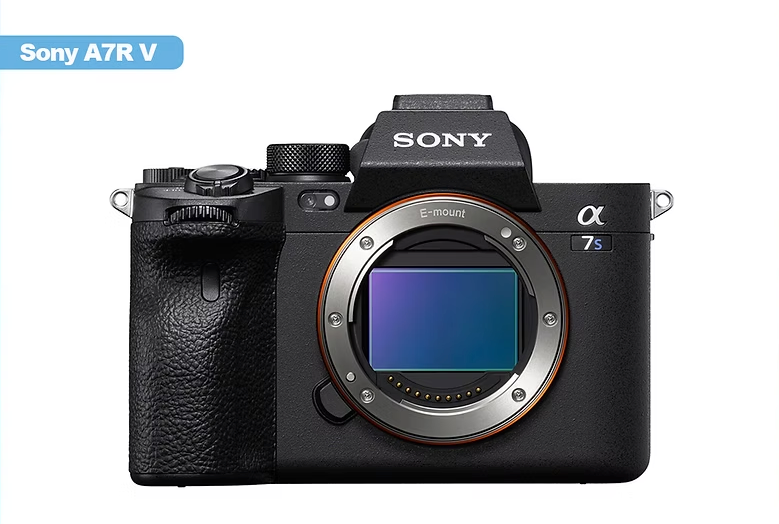
Sony A7R V, huge resolution for fine detail and big prints.
Canon EOS R5, a pro hybrid that's as happy shooting stills as it is 8K video.
Nikon Z8, a do-it-all flagship in a slightly smaller, lighter body.
Fujifilm X-H2S, built for speed if you shoot sports, wildlife or fast action.
One unglamorous tip: set aside a little for a memory card, a spare battery, and a bag. New buyers almost always forget these, then run out of power before lunch on day one. And if none of these feel right, they're a small slice of what's in store, browse the full lineup to see the rest.
On the tightest budget? Start here

Not every first camera has to cost as much as a phone. If you're buying for a student, for a kid who wants to learn, or you just want a cheap, fun camera for trips without risking your pricier gear, Songdian is worth a look. These are simple, lightweight compacts that shoot clean daytime photos and 4K clips, and they start under five thousand pesos. You won't get mirrorless image quality at this price, and that's fine, it isn't what they're for.
Three worth starting with:
Songdian DC311, the most wallet-friendly of the group and a solid first camera.
Songdian WDC901, with a flip screen that makes selfies and simple vlogs easy.
Songdian DC101, if you want a little more zoom reach for the money.
Where Photoline fits
This is usually where a store starts overselling itself, so I'll keep it straight. You can probably find a camera cheaper on some random online listing. What you can't do there is hold it first, ask a real person which lens suits your hands, or walk it back to a counter if something goes wrong.
Photoline has branches inside malls you already pass through, so trying a few cameras side by side becomes a normal weekend errand instead of a special trip. Look for a camera store near you, and because we're also a full photo and printing shop, you can buy the camera and print your first shots in the same visit.
And if you'd rather not decide alone, that's exactly what the staff are for. Come in, tell them what you like to shoot, and let them narrow it down with you.
A few quick questions
Do I need to buy extra lenses right away?
Not at all. Start with the kit lens the camera comes with, shoot for a month, and you'll know exactly what you're missing.
Mirrorless or DSLR, in one line?
Mirrorless is lighter and better for video, DSLR is bulkier with cheaper lenses. For most people buying a digital camera in the Philippines today, mirrorless.
Ready to choose?
Still torn between two? Totally normal, and it's far easier to settle in person than in yet another comparison tab. Visit your nearest Photoline branch to try them side by side, or browse our camera lineup online first.
Comments